
Ιατρικός τουρισμός στο Πεκίνο — το βαθύτερο ειδικευμένο περιθάλψιας της Κίνας.
Για ανοσοθεραπεία κατά του καρκίνου, σύνθετες καρδιακές επεμβάσεις, προηγμένη οφθαλμολογία ή εξέταση υψηλού επιπέδου, το Πεκίνο συγκεντρώνει την υψηλότερη πυκνότητα εθνικά κατάταξης No. 1 ειδικευμένων τμημάτων στην ηπειρωτική Κίνα — με επικεφαλής το PUMCH, κατάταξη No. 1 στις κατατάξεις νοσοκομείων Fudan για 11 συνεχόμενα χρόνια.
✓ Γραπτή προσφορά πριν πληρώσετε·✓ Χωρίς υποχρέωση·✓ Απάντηση εντός 24 ωρών
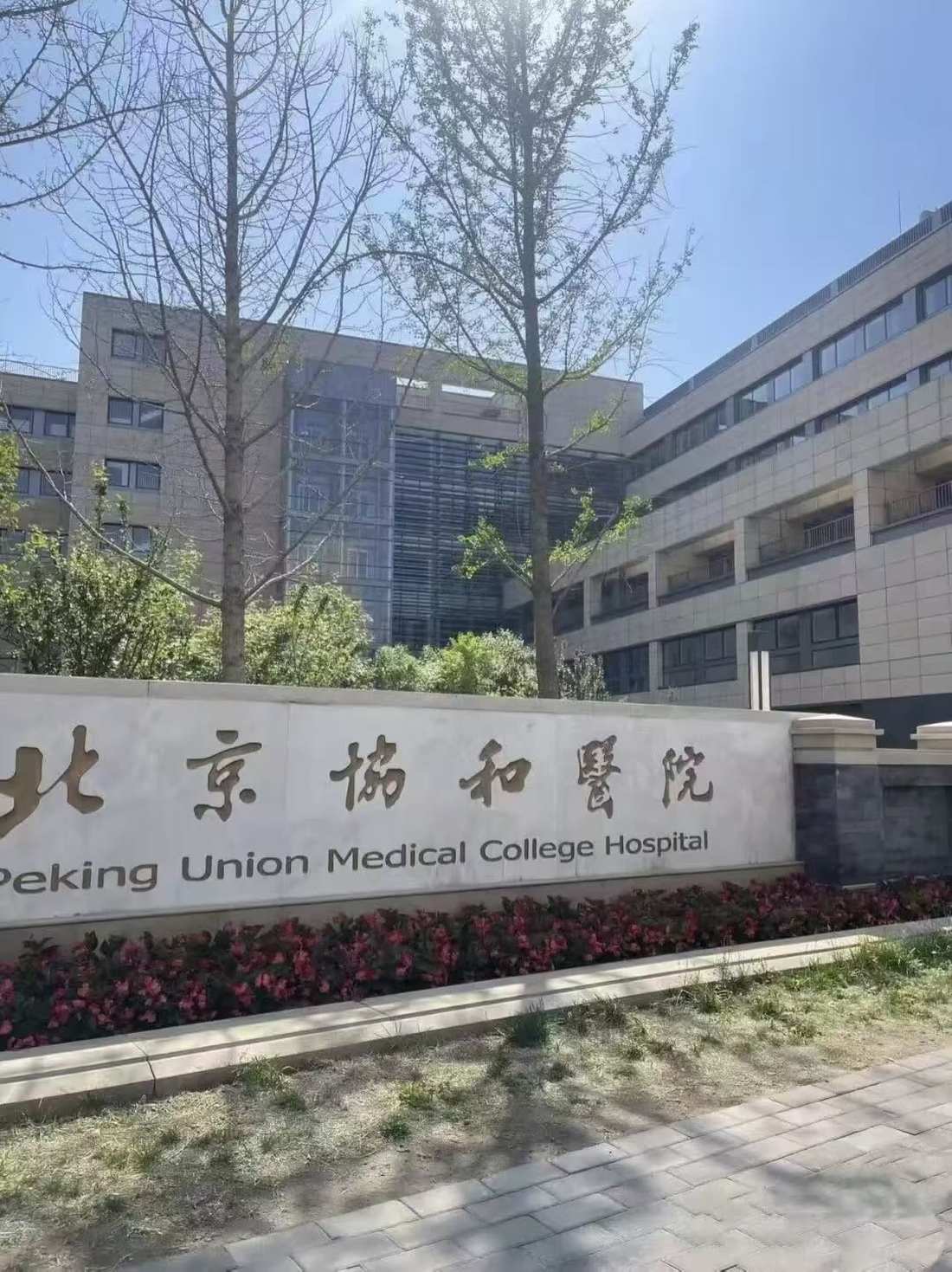
Για ανοσοθεραπεία κατά του καρκίνου, σύνθετες καρδιακές επεμβάσεις, προηγμένη οφθαλμολογία ή εξέταση υψηλού επιπέδου, το Πεκίνο είναι η απάντηση πιο συχνά από κάθε άλλη κινεζική πόλη. Η Σαγκάη έχει περισσότερη διεθνή τμηματική ανέσεις, το Guangzhou βαθύτερη TCM, το Shenzhen πιο κοφτερή τιμολόγηση — αλλά το Πεκίνο συγκεντρώνει την υψηλότερη πυκνότητα εθνικά κατάταξης No. 1 ειδικευμένων τμημάτων οπουδήποτε στην ηπειρωτική Κίνα, αρκετά από τα οποία (καρδιοχειρουργική, ανοσοθεραπεία ογκολογία, οφθαλμολογία, ανοσολογία) κάθονται στο ή κοντά στο παγκόσμιο σύνορο. Αυτός ο οδηγός καλύπτει τα οκτώ νοσοκομεία του Πεκίνου που αξίζουν σκέψης, τις διαδικασίες όπου το βάθος ειδικεύσεων μετατρέπεται σε πραγματικά πλεονεκτήματα κόστους και αποτελέσματος, τη λογιστική του αεροδρομίου και της βίζας, και ένα προάστιο μιας εβδομάδας.
Γιατί Πεκίνο για Ιατρικό Τουρισμό
Η περίπτωση του Πεκίνου είναι βάθος ειδικεύσεων, όχι ευρύτητα φιλοξενίας. Το PUMCH έχει διατηρήσει No. 1 στις κατατάξεις νοσοκομείων Fudan University China για 11 συνεχόμενα χρόνια1. Το Fuwai είναι το μεγαλύτερο καρδιοαγγειακό κέντρο του κόσμου με 1.200+ κρεβάτια και No. 1 εθνικά σε καρδιακή χειρουργική και ανιοκαρδιοπάθεια2. Το Κέντρο Οφθαλμολογίας του Beijing Tongren, ιδρύθηκε 1886, χειρίζεται 1.000.000+ ασθενείς οφθαλμολογίας ανά έτος3. Το Peking University Third Hospital (PUTH) παρέδωσε το πρώτο IVF μωρό της ηπειρωτικής Κίνας το 1988 και τώρα εκτελεί 20.000+ κύκλους ART ανά έτος4. Το νοσοκομείο PLA 301 General Hospital λειτουργεί 4.000 κρεβάτια σε 125 κλινικά τμήματα5.
Αυτή η πυκνότητα είναι γιατί ένας ασθενής από τις ΗΠΑ με ανθεκτική λευχαιμία, ένας ασθενής από το Ηνωμένο Βασίλειο που χρειάζεται σύνθετη CABG με διμερή αρτηριακά μοσχεύματα, ή ένας ασθενής από την Αυστραλία με μια δύσκολη περίπτωση αμφιβληστροειδούς δρομολογεί μέσα από το Πεκίνο παρά της Σαγκάης ή της Μπανγκόκης. Για αυτές τις περιπτώσεις δεν πληρώνετε για ξενοδοχειακού επιπέδου λόμπια — πληρώνετε για να χειρουργηθείτε από έναν χειρουργό που εκτελεί αυτή τη διαδικασία 800+ φορές ανά έτος.
Το Πεκίνο συνδυάζεται καλά με πολιτιστική ανάρρωση — Forbidden City, Great Wall, 798 Art District, hutongs προσφέρουν ένα παράθυρο ανάπαυσης 3–4 ημερών μεταξύ ημερών διαδικασίας. Αυτό που λείπει του Πεκίνου στην πυκνότητα της Σαγκάης είναι δευτερεύον ξένης κτητείας premium ιδιωτικής φιλοξενίας — η United Family και Oasis διατηρούσαν προηγουμένως πιστοποίηση JCI67, αλλά η θεσμική εμπειρία 5 αστέρων concierge είναι πυκνότερη νότια στο Huangpu.
Top 8 Νοσοκομεία Πεκίνου για Διεθνείς Ασθενείς
Αυτά τα οκτώ καλύπτουν το πλήρες φάσμα περιπτώσεων — ειδικότητα μιας διαδικασίας (Fuwai, Tongren), σύνθετη εξέταση πολλαπλών συστημάτων (PUMCH, 301), ιδιωτική φιλοξενία-πρώτη (United Family, Oasis).
| # | Νοσοκομείο | Κύρια ειδικότητα | Διεθνές Τμήμα | Επίπεδο Αγγλικών | Τιμή |
|---|---|---|---|---|---|
| 1 | Peking Union Medical College Hospital (PUMCH) | Γενική ιατρική, διάγνωση, ανοσολογία, αλλεργολογία, παθολογία1 | International Medical Services (IMS) | A+ | $$$ |
| 2 | 301 PLA General Hospital | Καρδιακή χειρουργική, ορθοπαιδική, νευροχειρουργική, VIP πολλαπλών συστημάτων5 | International Patient Services | A | $$$ |
| 3 | Fuwai Hospital (CAMS) | Καρδιοχειρουργική (CABG, βαλβίδα, δομική καρδιά)2 | International liaison via CAMS | B+ | $$ |
| 4 | Peking University Third Hospital (PUTH) | Ιατρική τεκνοποίησης, αθλητική ιατρική, χειρουργική ράχης4 | International Medical Center | A | $$ |
| 5 | Beijing Cancer Hospital (Peking University Cancer Hospital) | Ογκολογία στερεών όγκων, γαστρεντερολογική ογκολογία, ανοσοθεραπεία | International coordinator | B+ | $$$ |
| 6 | Beijing Tongren Hospital | Οφθαλμολογία, ΩΡΛ, κεφάλι και λαιμός3 | International outpatient service | B+ | $$ |
| 7 | Beijing United Family Hospital (BJU) | Γενική ιδιωτική (προηγουμένως JCI-πιστοποιημένη), οδοντιατρική, μαιευτική/γυναικολογία, ιατρική οικογένειας6 | Whole-hospital international model | A+ | $$$$ |
| 8 | OASIS International Hospital | Γενική ιδιωτική (προηγουμένως JCI-πιστοποιημένη), οδοντιατρική, χειρουργική, εσωτερική ιατρική7 | Whole-hospital international model | A+ | $$$$ |
Σημειώσεις επιλογής:
- PUMCH για περιπτώσεις διαγνωστικών γρίφων. Αλλεργολογία και Παθολογία κατατάσσονται No. 1 εθνικά· η Γενική Χειρουργική κρατά No. 1 για 13 συνεχόμενα χρόνια1. Το IMS λειτουργεί σε ευχερή αγγλικά.
- 301 PLA για περιπλοκές πολλαπλών συστημάτων — καρδιακή συν ορθοπαιδική σε ένα ταξίδι, συντονισμένη γεροντολογική περίθαλψη. Εκτελεί 65.000+ επεμβάσεις και 110.000+ εισαγωγές ετησίως5.
- Fuwai για καρδιοχειρουργική. CABG/βαλβίδα/δομική-καρδιά με χρήση αρτηριακού μοσχεύματος πάνω από 95% — δείκτης που συνδέεται με μειωμένη 3ετη στέφανη απόφραξη2. Τα διεθνή γραφεία αγγλικά είναι χαμηλότερα από PUMCH/BJU· συν με διδυμικό συνοδό.
- PUTH για IVF και αθλητική ιατρική. 20.000+ κύκλοι ART ετησίως4. Το Ινστιτούτο Αθλητικής Ιατρικής είναι ο ιατρικός εταίρος της Κινεζικής Ολυμπιακής Επιτροπής.
- Tongren για οφθαλμολογία (καταρράκτης, γλαύκωμα, αμφιβληστροειδής, διαθλαστικά) και ΩΡΛ3.
- United Family και Oasis όταν πυκνότητα φιλοξενίας και αγγλικές εγγραφές από ιθαγενείς είναι κορυφαία προτεραιότητα. Τέλη συμβουλής UFH RMB 1.100–1.800 (US$160–260)6 — περίπου 8–10 φορές ένα Tier-3A διεθνές τμήμα.
Πίνακας Κόστους Ιατρικής Περιήγησης Πεκίνου
Η τιμολόγηση του Πεκίνου κάθεται 60–90% κάτω από τα σημεία αναφοράς ΗΠΑ και ταιριάζει την Σαγκάη για γενικές διαδικασίες, με δομικά πλεονεκτήματα σε καρδιακή χειρουργική και ανοσοθεραπεία ογκολογίας όπου το Πεκίνο έχει πραγματικό βάθος ειδικεύσεων.
| Διαδικασία | Εύρος Πεκίνου | Ίδια διαδικασία ΗΠΑ | Ίδια διαδικασία Μπανγκόκη |
|---|---|---|---|
| Ιατρική CAR-T κυττάρων (αυτόλογο, B-κυττάρων λέμφωμα/ALL) | $30.000–$80.0008 | $375.000–$475.0008 | Δεν είναι συνήθως διαθέσιμη |
| CABG (Fuwai, διμερές αρτηριακό μόσχευμα) | $14.000–$25.000 | $75.000–$200.000 | $20.000–$35.000 |
| Ενιαίο Straumann οδοντικό εμφύτευμα (όλα-in: fixture + στέμμα) | $1.150–$2.0009 | $4.000–$6.000 | $1.800–$3.3009 |
| Premium πλήρης σωματικός ιατρικός έλεγχος | $600–$1.200 | $3.500–$8.000 | $1.200–$2.500 |
Ιατρική CAR-T κυττάρων είναι όπου το κενό ΗΠΑ του Πεκίνου είναι πιο δραματικό. Εμπορική CAR-T στην Κίνα τρέχει $30.000–$60.000· η δοκιμαστική εγγραφή μειώνει τα κόστη σε περίπου μόνο νοσηλεία8. Η τιμολόγηση ΗΠΑ υπερβαίνει $375.000. Η Κίνα φιλοξενεί το μεγαλύτερο αγωγό δοκιμών CAR-T παγκοσμίως8· Beijing GoBroad Boren και Peking University Cancer Hospital και οι δύο αποδεχόμαι διεθνείς ασθενείς με ιατρική-βίζα τεκμηρίωση.
CABG στο Fuwai είναι όγκος και τεχνική, όχι μόνο τιμή. Διμερές εσωτερικό θωρακικό, μοσχεύματα ακτινικής αρτηρίας, και ολικά-αρτηριακά μοσχεύματα πάνω από 95%, με "no-touch" απόσπαση φλέβας μειώνοντας 3ετη απόφραξη μοσχεύματος2. Για έναν 60χρονο με νόσο τριών αγγείων, αυτές είναι σημαντικές κλινικές μεταβλητές.
Οδοντικά εμφυτεύματα ταιριάζουν το εθνικό post-ZGC τιμολόγηση — Straumann SLActive $620–$1.100 fixture, $1.150–$2.000 όλα-in με στέμμα, CBCT, χειρουργικό οδηγό9. Κανένα πλεονέκτημα ειδικό του Πεκίνου πάνω από την Σαγκάη ή το Guangzhou· επιλέξτε Πεκίνο όταν συν με άλλη ειδικότητα περίπτωση.
Premium full-body σάρωση στο PUMCH IMS, 301, BJU, ή Oasis τρέχει $600–$1.200 με add-ons (εγκέφαλο MRI, χαμηλή-δόση πνευμόνων CT, έντερο μικροβιόμα). ΗΠΑ εκτελεστικής-υγείας ισοδύναμη: $3.500–$8.000.
Λογιστική: PEK vs PKX, Ξενοδοχεία, Βίζα, Τοπική Μεταφορά
Το Πεκίνο έχει δύο διεθνή αεροδρόμια περίπου 80 χλμ χώρια, και η επιλογή σημαίνει.
Beijing Capital (PEK) κάθεται 25–30 λεπτά με ταξί από κέντρο-κέντρο off-peak, 40–60 λεπτά σε κανονική κυκλοφορία10. Το PEK είναι η σωστή επιλογή για αφίξεις δρομολόγηση προς PUMCH (Wangfujing), 301 (Haidian), ή Sanlitun/CBD ξενοδοχεία.
Beijing Daxing (PKX) είναι 46 χλμ από κεντρικό Πεκίνο, 60–90 λεπτά με ταξί, εισίτηριο περίπου RMB 220 (US$30) συμπεριλαμβανομένων των διοδίων10. Χρησιμοποιήστε PKX μόνο αν το αεροπορικό σας δρομολόγιο κάνει αυτό· διαφορετικά PEK προτιμάται για γειτνίασης.
Συστάδες ξενοδοχείων κοντά στα κύρια νοσοκομεία:
- Wangfujing / Dongcheng (κοντά PUMCH) — Waldorf Astoria, Peninsula, Mandarin Oriental Wangfujing. Σε απόσταση περιπάτου του IMS.
- Haidian / Wukesong (κοντά 301 και PUTH) — Shangri-La, JW Marriott. 15–25 λεπτά ταξί.
- CBD / Chaoyang (κοντά United Family, Oasis) — Park Hyatt, China World Summit Wing. 10–20 λεπτά σε BJU.
- Xidan / Xicheng (κοντά Fuwai) — Westin Financial Street, Ritz-Carlton Financial Street. 5–10 λεπτά σε Fuwai.
Βίζα: Το πρόγραμμα ελεύθερης εισόδου 30 ημερών της Κίνας καλύπτει 50+ χώρες μέχρι το 2026, συμπεριλαμβανομένων των ΗΠΑ, του Ηνωμένου Βασιλείου, του Καναδά, της Αυστραλίας, της Γαλλίας, της Γερμανίας, των Κάτω Χωρών, και της Ιαπωνίας (Ηνωμένο Βασίλειο και Καναδάς προστέθηκαν 2026-02-17). Ένα παράθυρο 30 ημερών άνετα χωρά μια μοναδική ειδικότητα διαδικασία συν 5–7 ημέρες ανάρρωσης. Μεγαλύτερα κύκλα θεραπείας (χημειοθεραπεία, post-CAR-T παρακολούθηση) χρησιμοποιούν ιατρική βίζα με γράμμα πρόσκλησης νοσοκομείου.
Τοπική μεταφορά: Το DiDi έχει εφαρμογή αγγλικών χειρισμών τις περισσότερες ξένες κάρτες. Το WeChat Pay και Alipay αποδέχονται ξένες κάρτες πίστωσης άμεσα — ρυθμίστε πριν το ταξίδι.
Προφίλ Δύναμης Πεκίνου vs Άλλες Κινεζικές Πόλεις
Το ισχυρότερο επιχείρημα για το Πεκίνο είναι βάθος ειδικεύσεων στο No. 1 εθνικά κατάταξης επίπεδο. Το ισχυρότερο επιχείρημα εναντίον είναι πυκνότητα ανέσεων όταν θέλετε εμπειρία ξενοδοχείου-βαθμού νοσοκομείου.
- Πεκίνο vs Σαγκάη. Η Σαγκάη έχει περισσότερα Tier-3A διεθνή τμήματα σε 5αστέρων πυκνότητα φιλοξενίας και πιο ομοιόμορφη ευχέρεια στα αγγλικά. Αλλά η Σαγκάη δεν μπορεί να ταιριάξει το βάθος του Πεκίνου σε καρδιακή χειρουργική (Fuwai), ανοσοθεραπεία ογκολογία (Beijing Cancer Hospital, GoBroad Boren), οφθαλμολογία (Tongren), ή γενική διαγνωστική ιατρική (PUMCH). Ειδικότητα χειρουργική από ένα No. 1 τμήμα → Πεκίνο. Premium ανέσεις για μια ρουτίνα διαδικασία → Σαγκάη. Δείτε τον οδηγό της Σαγκάης →
- Πεκίνο vs Guangzhou. Το πλεονέκτημα του Guangzhou είναι το μοντέλο TCM-δυτικού διαδρόμου — σύστημα Guangzhou University of Chinese Medicine και Guangdong Provincial Hospital of Chinese Medicine δίνουν σε αυτό βαθύτερη ολοκληρωμένη ιατρική κουλτούρα από ότι το Πεκίνο έχει. Καλύτερο για διαχείριση χρονίων συνθηκών, μετα-καρκίνου ανάρρωση, ή περιπτώσεις γονιμότητας που ωφελούνται από TCM συν-τροφικά. Δείτε τον οδηγό του Guangzhou →
- Πεκίνο vs Shenzhen. Το Shenzhen είναι το επιλογή συνειδητής τιμής — γειτνίασης Hong Kong, η HKU-Shenzhen εταιρεία, και μια νεότερη ιδιωτική νοσοκομειακή αγορά τρέχει αισθητικό, οδοντιατρική, και βασική σάρωση 10–25% κάτω από Πεκίνο. Το Shenzhen συν φυσικά επίσης με ένα Hong Kong πόδι. Δείτε τον οδηγό του Shenzhen →
- Πεκίνο vs Chongqing. Το Chongqing έχει το χαμηλότερο ιατρικής τουρισμού κόστος καλάθι στην Κίνα και δυνατή ειδικότητα χειρουργική στο Southwest Hospital (Army Medical University) για εγκαύματα, νευροχειρουργική, και σύνθετο τραύμα. Το επιχείρημα ειδικότητας-No. 1 ορίζοντας Πεκίνο δεν υπάρχει εκεί ακόμα. Δείτε τον οδηγό του Chongqing →
Ο συμπαγής κανόνας: επιλέξτε Πεκίνο όταν το κλινικό ερώτημα έχει ένα μόνο σωστό χειρουργό ή τμήμα στην Κίνα και αυτό το τμήμα συμβαίνει να είναι εδώ. Επιλέξτε άλλη πόλη όταν αγοράζετε τιμή μια ρουτίνα διαδικασία, προτεραιότητα φιλοξενίας, ή συν το ταξίδι με περιφερειακό ταξίδι.
Δείγμα Πρόγραμμα 7 Ημερών Πεκίνου Ιατρικής Περιήγησης
Μια μοναδική-διαδικασία περίπτωση (Fuwai καρδιολογία συμβουλή συν παρακολούθηση, PUMCH διαγνωστική εργασία, ή Tongren καταράκτη χειρουργική) με σύντροφος που θέλει σημαντικό πολιτιστικό έκθεση κατά τη διάρκεια του ταξιδιού. Προσαρμόστε το διαδικασία-ημέρα συστάδα σε την περίπτωση σας.
| Ημέρα | Πρωί | Απόγευμα | Βράδυ |
|---|---|---|---|
| 1 (Κυρ) | Αφικνέω PEK. Ξενοδοχείου check-in (Wangfujing ή Xicheng). | Ανάπαυση. Φαρμακείο απόθεμα. | Πρώιμη ύπνος, jet-lag διαχείριση. |
| 2 (Δευ) | Αρχική συμβουλή. Απεικόνιση (CBCT/MRI/echo ως υπολογιστεί). | Εργαστηριακή εργασία. Σχέδιο θεραπείας με διδυμικό συντονιστή. | Αναθεώρηση εγγράφου. |
| 3 (Τρι) | Ημέρα διαδικασία ή χειρουργική. Διδυμικό σύντροφος παρών. | Ανάρρωση — νοσοκομείο ή ξενοδοχείο. | Ανάπαυση. |
| 4 (Τετ) | Post-διαδικασία έλεγχος. Εξόδου ή παρακολούθηση. | Forbidden City αν κινητικότητα επιτρέπει, ή ξενοδοχείο ανάπαυση. | Ήσυχο δείπνο. |
| 5 (Πέμ) | Ακολουθίας συμβουλή, συνταγή ανασκόπηση. | Great Wall (Mutianyu) — οδηγός-βοήθεια, χαμηλή-προσπάθεια. | Πρώιμη ύπνος. |
| 6 (Παρ) | Τελικό checkup. Pickup αγγλικών εγγράφων, απεικόνιση, συνταγές. | 798 Art District ή Temple of Heaven. | Αποχαιρετισμός hutong δείπνο. |
| 7 (Σάβ) | Ξενοδοχείου checkout. Κλινικής-buffer slot. | Αναχώρηση PEK ή PKX. | — |
Για πολλαπλής-διαδικασία ή χημειοθεραπείας-κύκλος περιπτώσεις, διευρύνουν Ημέρες 3–5 σε ένα μεγαλύτερο θεραπείας μπλοκ και συντόμευση του πολιτιστικού στοιχείο.
Συχνές Ερωτήσεις
Μπορώ να λάβω ιατρική CAR-T κυττάρων στο Πεκίνο ως διεθνής ασθενής;
Ναι, με κατάλληλη τεκμηρίωση. Το Πεκίνο φιλοξενεί πολλά κέντρα υψηλού όγκου CAR-T συμπεριλαμβανομένου Beijing GoBroad Boren Hospital (αιματολογική CAR-T ηγέτης με δυνατή υποστήριξη αγγλικών) και Peking University Cancer Hospital. Εμπορική CAR-T για B-κυττάρων λέμφωμα ή ALL τρέχει $30.000–$60.000 vs $375.000+ στις ΗΠΑ· ενσωμάτωση κλινικών δοκιμών μειώνει κόστη σε περίπου μόνο νοσηλεία8. Διεθνείς ασθενείς χρειάζονται ιατρική βίζα με γράμμα πρόσκλησης νοσοκομείου. Μας συντονίζουν βεβαίωση νόσου, αναθεώρηση προηγουμένων εγγράφων, και κατάλληλότητα σάρωση 4–6 εβδομάδες προ του ταξιδιού.
Γιατί Fuwai Hospital κατάταξη πάνω από άλλες CABG παρόχους στην Κίνα;
Το Fuwai είναι κέντρο καρδιοαγγειακά της Κινεζικής Ακαδημίας Ιατρικών Επιστημών και της κόσμου μεγαλύτερη σε 1.200+ κρεβάτια2. Το CABG χρησιμοποιεί διμερές εσωτερικό θωρακικό και μοσχεύματα ακτινικής αρτηρίας σε ποσοστό πάνω από 95%, με "no-touch" φλέβα-απόσπαση τεχνική που μειώνει 3ετη απόφραξη μοσχεύματος2. Χειρουργικός όγκος είναι το πιο αξιόπιστο συσχέτιση σύνθετων-καρδιακών αποτελέσματα, και ο όγκος του Fuwai κάθεται σε παγκόσμια σύνορο. Εμπορικό: διεθνές-τμήμα ευχέρεια αγγλικών είναι χαμηλότερη από ότι στο PUMCH ή BJU· συν Fuwai περιπτώσεις με διδυμικό ιατρικό σύντροφο.
Δέχεται το Peking Union (PUMCH) walk-in διορίσεις για ξένους;
Όχι. Το PUMCH IMS λειτουργεί κατά διορίσεις, και κρατήσεις 2–4 εβδομάδες προ του διορίσματος είναι πρότυπο για ανώτερους συμβούλους. Η δύναμη του PUMCH για περιπτώσεις διαγνωστικών γρίφων είναι πραγματική — ασθενείς που έχουν κύκλο κάτω από πολλαπλές ειδικότητες σπίτι συχνά παίρνουν μια οριστική διάγνωση εντός ενός μόνο επίσκεψης κατά αλλεργολογία, ανοσολογία, παθολογία, και γενική χειρουργική1.
Πόσο κοστίζουν τα οδοντικά εμφυτεύματα στο Πεκίνο συγκρίνει με την Σαγκάη ή Guangzhou;
Περίπου το ίδιο. Μετα-ZGC procurement τιμολόγηση είναι ομοιόμορφο σε Tier-3A διεθνή τμήματα εθνικά — Straumann SLActive $620–$1.100 fixture, $1.150–$2.000 όλα-in (fixture + στέμμα + CBCT) σε οποιαδήποτε από τις τρεις πόλεις9. Επιλέξτε Πεκίνο όταν συν οδοντιατρική με μια Πεκίνο-ειδικής ειδικότητας περίπτωση. Δείτε πακέτα οδοντικών εμφυτευμάτων →
Είναι το Πεκίνο εύκολο να περιηγηθείς για κάποιον που δεν μιλάει κινέζικα;
Ναι μέσα στα διεθνή φτερά στο PUMCH, 301, PUTH, BJU, και Oasis — λειτουργούν σε ευχερή αγγλικά. Έξω από αυτά τα φτερά (παράθυρο φαρμακείου, αίματος-σχήμα ουρές, απεικόνιση ρεσεψιόν), γλώσσα τριβή είναι πραγματική. Το DiDi εφαρμογή αγγλικών και ξενοδοχείου-διακοπή ταξί χειρίζονται περισσότερο μη-κλινική χρειάζονται. Ο υψηλότερος-δράση απόφαση είναι προϋπολογισμό για ένα διδυμικό ιατρικό σύντροφο στο διαδικασία ημέρες — $100 ημι-ημέρα, $200 πλήρης ημέρα.
Σχεδιάστε το Ταξίδι Ιατρικής Περιήγησης Πεκίνου σας
Μας συντονίζουν περιπτώσεις στα Tier-3A διεθνή τμήματα και κατοικημένα ιδιωτικά νοσοκομεία κατά Πεκίνο — προ-ταξίδι αναθεώρηση εγγράφων, νοσοκομείου χρονοδιάγραμμα, αγγλικά σχέδια θεραπείας, PEK/PKX pickup, διδυμικό σύντροφος, αγγλικά post-op εγγράφων, ακολουθίας συντονισμού.
Λάβετε δωρεάν προσφορά εντός 24 ωρών — μοιράζονται διαδικασία τύπο, προηγούμενα έγγραφα, στοχευόμενες ημερομηνίες· επιστρέφουμε ένα πλευρά-πλευρά σύσταση κατά δύο προ-ελεγχείσης Πεκίνου νοσοκομείων με ένα 7–14 ημέρας πρόγραμμα ευθυγραμμισμένο 30ημέρας ελεύθερης παραθύρου.
Κάντε κράτηση ένα διδυμικό ιατρικό σύντροφο — ημι-ημέρα ή πλήρης ημέρα υποστήριξη για διαδικασία ημέρες, νοσοκομείου πλοήγηση, και αγγλικής-γλώσσας εγγράφω περιλήψεις.
Περιηγηθείτε πακέτα οδοντικών εμφυτευμάτων — ζωντανά SKUs με fixture μάρκα, στέμμα υλικό, και όλα-in τιμή για Straumann, Dentium, και Hiossen επιλογές κατά Tier-3A και premium ιδιωτικά κλινικές.
Αναφορές
Τιμολόγηση και κατάταξη δεδομένα που βασίζονται σε δημόσια διαθέσιμες πηγές ως από το 2026-05.
-
MedBridgeNZ, Peking Union Medical College Hospital: Κέντρο Διάγνωσης Top της Κίνας — PUMCH No. 1 σε Fudan University China Hospital Rankings για 11 συνεχόμενα χρόνια· Αλλεργολογία, Παθολογία, Γενική Χειρουργική, Νευρολογία τμήματα No. 1 εθνικά. https://www.medbridgenz.com/hospital-info/peking-union-medical-college-hospital ; PUMCH IMS επίσημη https://english.beijing.gov.cn/quickguideservices/medicalguide/majormedicalinstitutions/202312/t20231220_3505728.html ↩↩↩↩
-
MedBridgeNZ, Fuwai Hospital: Κόσμος-Ηγέτης Καρδιοαγγειακό Κέντρο στην Κίνα — 1.200+ κρεβάτια· No. 1 εθνικά σε καρδιακή χειρουργική και ανιοκαρδιοπάθεια· αρτηριακό μόσχευμα χρήση >95% σε CABG. https://www.medbridgenz.com/hospital-info/fuwai-hospital ; European Heart Journal χαρακτηριστικό https://academic.oup.com/eurheartj/article/39/6/428/4840752 ↩↩↩↩↩↩
-
MedBridgeNZ, Beijing Tongren Hospital: Top Eye & ENT Κέντρο της Κίνας — 1.000.000+ οφθαλμολογία εξωτερική ασθενή ετησίως· μεγαλύτερο κέντρο ματιού στην Κίνα από το 1886. https://www.medbridgenz.com/hospital-info/beijing-tongren-hospital ; APSOPRS Tongren Eye Center https://apsoprs.org/page/Tongren-Eye-Center-Beijing ↩↩↩
-
MedBridgeNZ, Peking University Third Hospital: Ηγέτες σε IVF & Αθλητική Ιατρική — πρώτο IVF μωρό σε ηπειρωτική Κίνα (1988)· 20.000+ κύκλοι ART ανά έτος· Ολυμπιακή Επιτροπή ιατρικό εταίρο. https://www.medbridgenz.com/peking-university-third-hospital ; Wikipedia https://en.wikipedia.org/wiki/Peking_University_Third_Hospital ↩↩↩
-
301 PLA General Hospital επίσημη — 4.000 κρεβάτια· 125 κλινικά τμήματα· 110.000+ εισαγωγές και 65.000+ χειρουργικές ετησίως· καρδιακή χειρουργική, ορθοπαιδική, νευροχειρουργική εθνική ηγεσία. https://www.301hospital.com.cn/en/introduce.html ; MyChinaMed https://www.mychinamed.com/en/hospitals/pla-general-hospital-301 ↩↩↩
-
Beijing United Family Hospital (BJU) επίσημη — προηγουμένως JCI και CAP πιστοποιημένη· συμβουλή τέλη RMB 1.100–1.800 (US$160–260). https://beijing.ufh.com.cn/?lang=en ; Τιμή λίστα https://beijing.ufh.com.cn/beijing-pricing?lang=en ; Pacific Prime εκτοπισμένος νοσοκομείου οδηγό https://www.pacificprime.com/blog/best-hospitals-in-beijing-for-expats.html ↩↩↩
-
OASIS International Hospital επίσημη — προηγουμένως JCI πιστοποιημένη· 30 τμήματα συμπεριλαμβανομένων οδοντιατρικής, χειρουργική, μαιευτική/γυναικολογία, εσωτερική ιατρική. https://oasishealth.boe.com/en/ ↩↩
-
PlacidWay, Ιατρική CAR-T κυττάρων για Αίμα Καρκίνο στην Κίνα — εμπορική CAR-T $30.000–$60.000 στην Κίνα vs $375.000–$475.000 στις ΗΠΑ· Κίνα φιλοξενεί μεγαλύτερο αριθμό CAR-T δοκιμών παγκοσμίως. https://www.placidway.com/article/6256/CAR-T-Cell-Therapy-for-Blood-Cancer-in-China-for-Patients-Seeking-Advanced-Cancer-Immunotherapy ; To China Care Beijing ογκολογία οδηγό https://www.tochinacare.com/en/blog/cancer-treatment-in-beijing-a-guide-for-international-patients/ ↩↩↩↩↩
-
MedBridgeNZ, Premium Οδοντικά Εμφυτεύματα στην Κίνα 2026 Κόστος & Ποιότητα — Straumann SLActive $620–$1.100 fixture· όλα-in $1.150–$2.000 με στέμμα post-ZGC μεταρρύθμιση. https://www.medbridgenz.com/post/the-2026-guide-to-premium-dental-implants-in-china-quality-cost-analysis ; Thantakit Bangkok οδοντιατρικής κόστος https://www.thantakit.com/what-are-dental-implants-cost-in-bangkok-thailand/ ↩↩↩↩
-
Travel China Tips, Beijing Airport (PEK & PKX) στο City Transport Οδηγός — PEK 25–60 λεπτά ταξί· PKX 60–90 λεπτά ταξί, 46 χλμ από πόλη, RMB 220 εισίτηριο συμπεριλαμβανομένων διοδίων. https://travelchina.tips/blogs/practical-guides/beijing-airport-to-city-transport ; Daxing PKX ταξί https://daxing-pkx-airport.com/transportation/airport-taxi/ ↩↩
Ready to plan your treatment?