SinoCareLink
Balíček MRI screeningu, 4–9 oblastí — Shenzhen (1.5T Philips)
Balíček MRI screeningu, 4–9 oblastí — Shenzhen (1.5T Philips)
Dostupnost vyzvednutí nebylo možné načíst
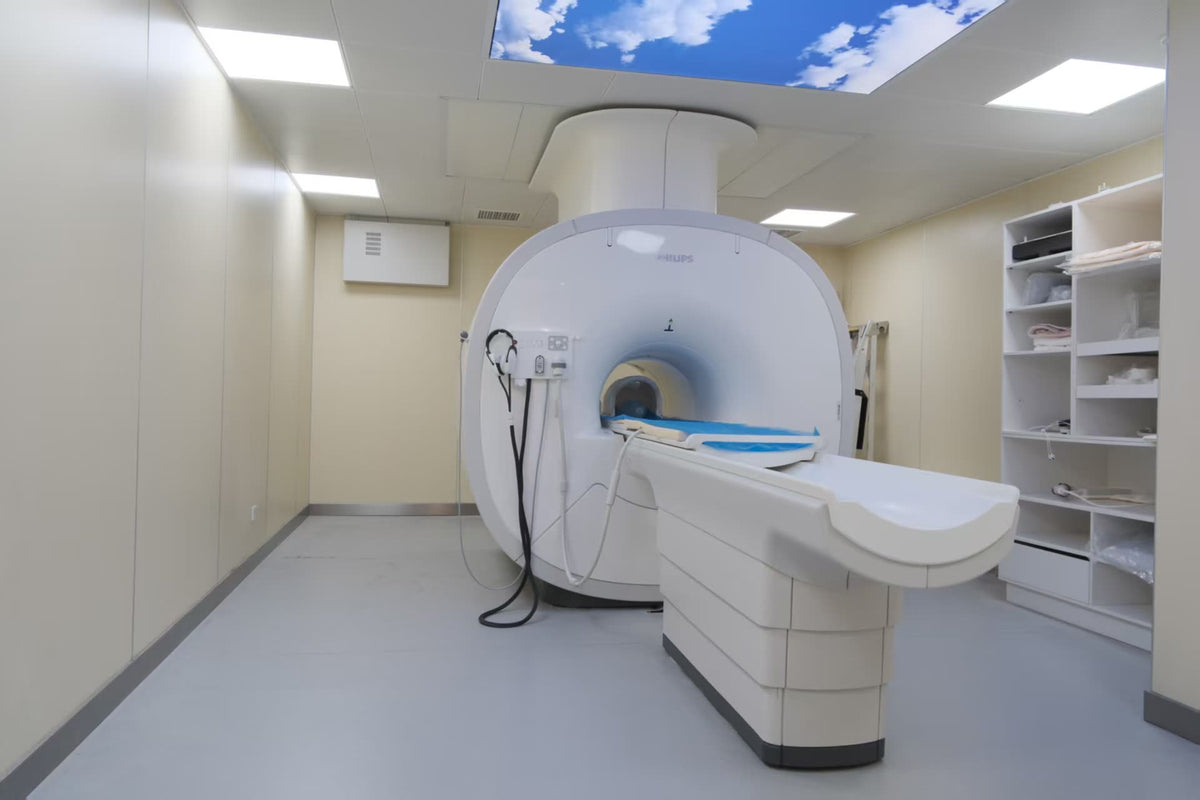
Balíček screeningu MRI více oblastí na skeneru Philips 1.5T v Shenzhen — variantu s lepším poměrem ceny a výkonu vedle našeho balíčku 3.0T nemocniční, a alternativu v Číně k Ezra (od 999 dolarů za čtyři oblasti) a Prenuvo (2 499 dolarů). Sedm oblastí je skenováno přibližně dvě hodiny v licencované ambulantní zobrazovací klinice; my zajišťujeme rezervaci, dvoujazyčného průvodce v den zákroku a anglicky přeložené zprávy radiologických nálezů.
Co jednotlivé balíčky zahrnují
| Balíček | Oblasti | Cena |
|---|---|---|
| Základní | 4 — MRI mozku, intrakraniální MRA (mozkové cévy), MRI horního břicha, MRI pánve | 399 dolarů |
| Rozšířený (nejpopulárnější) | 7 — vše ze Základního plus MRI krční, hrudní a bederní páteře | 649 dolarů |
| Prémiový | 9 — vše z Rozšířeného plus kterékoliv dvě z těchto oblastí: koleno (levé nebo pravé), zápěstí, loket nebo vedlejší nosní dutiny | 899 dolarů |
Všechny oblasti jsou vyšetřeny bez kontrastní látky, standardními sekvencemi. Balíčky 1.5T nezahrnují difúzně vážené zobrazování (DWI); pokud chcete DWI na mozku, břiše nebo pánvi, vyberte si balíček 3.0T nemocniční, kde je standardem. Srdeční MRI není součástí balíčků 1.5T — viz 1.5T nebo 3.0T? níže.
Přidejte další oblast
Libovolná jednu další oblast na skeneru 1.5T lze přidat k balíčku za 100 dolarů. Řekněte nám, kterou oblast, když se budete rezervovat; bude naplánována ve stejné relaci.
Skener
Skeny se provádějí na systému Philips Multiva 1.5T MR: s průměrem otvoru 60 cm, maximálním polem pohledu 53 cm a 16kanálovou architekturou digitálního RF příjmu (specifikace výrobce). Jedná se o současnou generaci platformy 1.5T postavenou pro vícestanční, víceoborová vyšetření — což je přesně to, co je balíček screeningu. Klinika je licencovaným ambulantním zobrazovacím centrem v Shenzhen s dedikovanou MR místností, nikoli oddělením nemocnice; očekávejte tišší a rychlejší návštěvu než v oddělení radiologie třídy 3A.
1.5T nebo 3.0T — které z nich ve skutečnosti potřebujete?
Ani jedno není „lepší"; vykonávají různé úkoly. Magnet 3.0T produkuje více signálu, který radiologové používají pro vysoce rozlišovací zobrazování malých struktur — drobné léze mozku nebo hypofýzy, jemné vazy, malé cévy — a jedná se o sílu pole, kterou nejčastěji používají nemocnice třídy 3A pro cílené diagnostické práce. Cenou toho signálu jsou delší skeny na jednu oblast a větší citlivost na kov a pohyb. Magnet 1.5T je osvědčená a všeobecně používaná síla pole pro rutinní a screening MRI: víceoborové protokoly běží rychleji, artefakty kolem kovu jsou mírnější a kvalita obrazu je dostatečná k detekci běžných nálezů, které screening MRI hledá — onemocnění ploténky, ischemické změny, nádory orgánů.
Naše cesta: provádět rozsáhlý screening na 1.5T a poté, pokud oblast vyvolá otázku, přezkoumat tuto jednu oblast na skenu 3.0T nemocniční (přídavné MRI jedné oblasti 3.0T) nebo pomocí PET-CT, kde to lékař doporučuje. Neplatíte čas 3.0T za devět oblastí, abyste odpověděli na otázku, která obvykle sídlí v jedné. Pokud víte předem, že potřebujete nejvyšší rozlišení všude, nebo chcete MRI velkých cév srdce, vyberte si místo toho balíček 3.0T nemocniční.
Přečtěte si úplné porovnání: 1.5T vs 3.0T MRI: které z nich ve skutečnosti potřebujete?
Zahrnuto
- Rezervace schůzky v klinice, přičemž všechny oblasti jsou naplány v jedné relaci
- Dvoujazyčný zdravotnický průvodce pro celou návštěvu — příjem, skenování a předání radiologa
- Zpráva čtená radiologem, profesionálně přeložená do angličtiny se standardní klinickou terminologií
- Soubory obrázků DICOM na USB nebo zabezpečeném odkazu, aby váš lékař mohl kontrolovat nezpracované obrázky
- Jedna koordinovaná cena — žádné samostatné kroky u pokladny v den zákroku
Než se rezervujete — čtyři upřímné poznámky
Toto je skenování oblast po oblasti, ne jeden sken od hlavy k nohám. Tým repositionuje cívku mezi oblastmi. Sedm oblastí trvá na stole přibližně dvě hodiny; devět oblastí poněkud déle. Počítejte s půl dnem.
Kov a implantáty. Řekněte nám o jakémkoliv implantátu, kardiostimulátoru, spoji, stentu, kochleárním zařízení nebo zadržené kovu dříve, než si rezervujete. Zařízení podmíněná MR se skenují pouze za podmínek uvedených na jejich štítku; některé implantáty vylučují MRI v kterékoliv síle pole. Bezpečnostní screening kliniky se rozhodne v den zákroku.
Načasování zprávy. Úplná anglicky přeložená zpráva obvykle dorazí za 2–3 týdny (v nejrychlejším případě asi 1 týden). Nezaručujeme zprávy ve stejný den.
Screening není diagnóza. Screening MRI může vzbudit otázky, na které sám neodpovídá. Pokud nález vyžaduje specialistu, přeskenování 3.0T nebo biopsii, zajistíme to samostatně a citujeme cenu dříve, než se zavážete — nic z toho zde není zahrnuto.
Nezahrnuto
Lety, hotel, kontrastní látka (nepoužívá se v těchto balíčcích), srdeční MRI a žádné následné zobrazování, konzultace se specialistou nebo léčba vyplývající z nálezů.
Sdílet