China vs. Thailand im Medizintourismus: Kosten & Qualität (2026)

Thailand ist seit über zwei Jahrzehnten das bevorzugte Ziel für Medizintourismus in Asien. Diesen Ruf hat sich das Land verdient. Aber in den letzten Jahren ist China stillschweigend als ernstzunehmende Alternative hervorgegangen — besonders für Gesundheitschecks, Zahnbehandlungen und Verfahren, bei denen die öffentliche Krankenhausinfrastruktur einen dramatischen Kostenvorteil bietet.
Welches Land ist also das Richtige für Sie?
Dies ist kein „China ist besser"-Artikel. Beide Länder haben echte Stärken. Wir legen die Zahlen, die Kompromisse und die ehrlichen Nachteile der einzelnen Länder dar, damit Sie die Entscheidung treffen können, die zu Ihrer Situation passt.
Die schnelle Zusammenfassung
Wenn Sie ein polierten, englischfreundliches Medizintourismus-Erlebnis mit minimalem Aufwand mögen, ist Thailand schwer zu schlagen. Das Land praktiziert dies bereits seit Jahrzehnten, und das merkt man.
Wenn Sie maximalen Gegenwert für Ihr Geld mögen, besonders für umfassende Gesundheitschecks oder Zahnbehandlungen, und Sie mit etwas mehr logistischem Aufwand komfortabel sind, bietet China Preise, die Thailand einfach nicht erreichen kann — gestützt durch ein riesiges öffentliches Krankenhaussystem.
Preisvergleich
Dies ist der Bereich, in dem die Lücke am deutlichsten sichtbar wird. Chinas öffentliche Krankenhäuser der Stufe drei (三甲) arbeiten nach einer grundlegend anderen Kostenstruktur als Thailands private internationale Krankenhäuser.
| Verfahren | China (Krankhaus der Stufe drei) | Thailand (Internationales Krankenhaus) |
|---|---|---|
| Umfassender Gesundheitscheck (30+ Positionen) | $399 – $699 | $500 – $2,000 |
| Zahnreinigung | Ab $69 | $30 – $80 |
| LASIK / Sehkorrektur | ~$2,000 | $1,800 – $3,500 |
| Zahnimplantat (einzeln) | $800 – $2,000 | $1,500 – $3,000 |
| Grundlegende Konsultation | $5 – $30 | $30 – $100 |
Woher kommt der Unterschied? Chinas Preise werden durch sein öffentliches Krankenhaussystem bestimmt. Krankenhäuser der Stufe drei sind staatlich finanzierte, gemeinnützige Einrichtungen. Sie versuchen nicht, die Einnahmen pro Patient zu maximieren — sie arbeiten mit Volumen. Thailands internationale Krankenhäuser wie Bumrungrad und Bangkok Hospital sind weltklasse private Einrichtungen, und ihre Preisgestaltung spiegelt dieses Geschäftsmodell wider.
Keines dieser Modelle ist von Natur aus besser. Aber wenn Sie aus eigener Tasche zahlen, ist die Preisspanne real.

Krankenhausqualität & Akkreditierung
Thailand hat über 60 JCI-akkreditierte Krankenhäuser — eine der höchsten Anzahlen weltweit. JCI (Joint Commission International) ist der Goldstandard für internationale Krankenhausakkreditierung, und Krankenhäuser in Thailand streben seit Anfang der 2000er Jahre aggressiv danach. Das Bumrungrad International Hospital allein versorgt über 500.000 internationale Patienten pro Jahr. Die Infrastruktur ist auf ausländische Besucher ausgerichtet: mehrsprachiges Personal, internationale Versicherungskoordinierung, Flughafenabholservice.
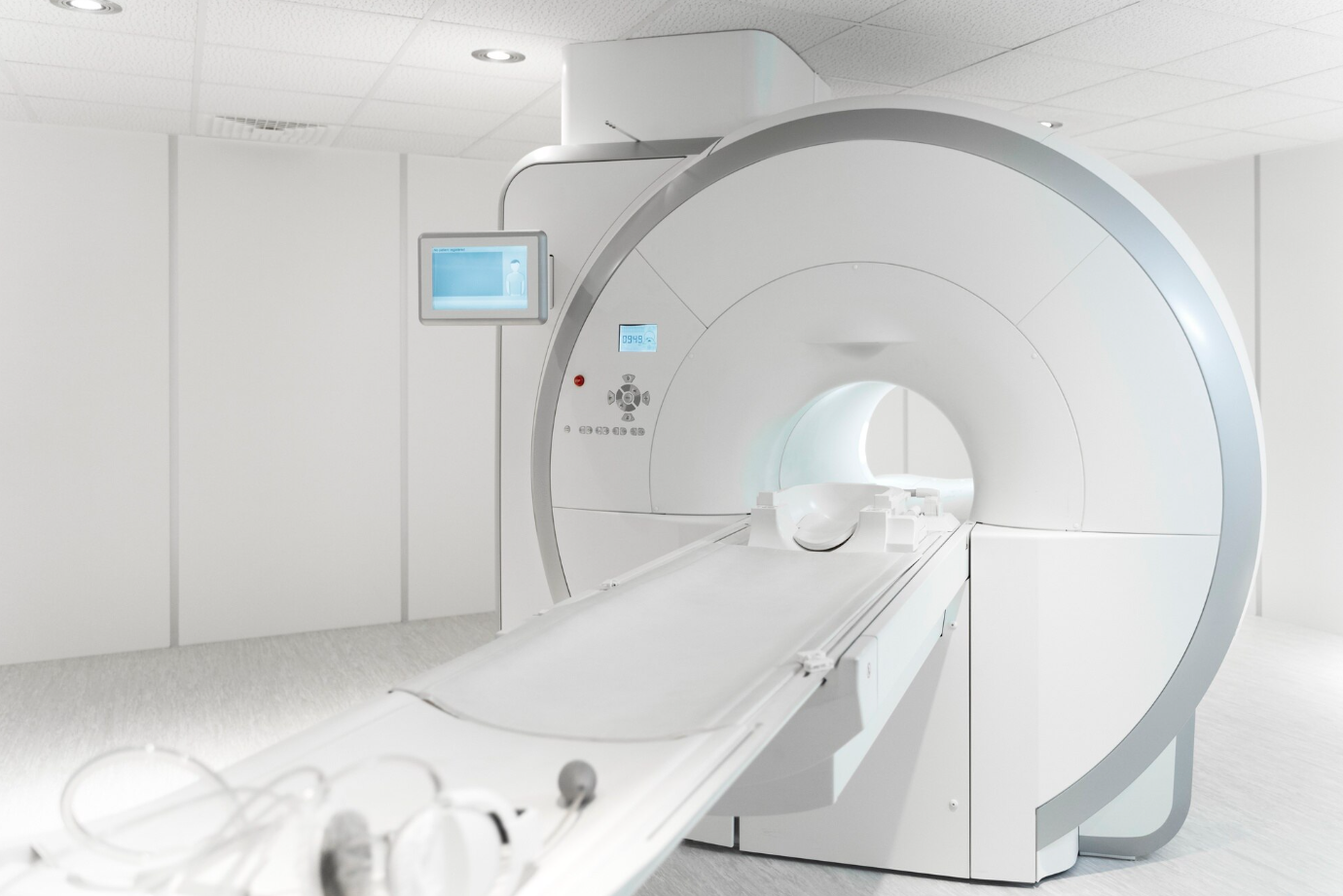
China verfolgt einen anderen Ansatz. Sein Qualitätsfundament ist das Klassifizierungssystem für Krankenhäuser der Stufe drei — ein von der Regierung betriebenes Bewertungssystem, das Krankenhäuser nach Ausrüstung, Personalausstattung, klinischen Ergebnissen und Forschungsleistung bewertet. Es gibt landesweit ungefähr 1.600 Krankenhäuser der Stufe drei. Dies sind Einrichtungen wie das Peking Union Medical College Hospital, das West China Hospital und das Zhongshan Hospital — Einrichtungen, die jährlich Millionen von Patienten mit fortschrittlicher diagnostischer Ausrüstung versorgen (oft die gleichen GE-, Siemens- und Philips-Maschinen, die Sie in der Mayo Clinic finden würden).
China hat weniger JCI-akkreditierte Krankenhäuser als Thailand, aber das liegt teilweise daran, dass das inländische Akkreditierungssystem so etabliert ist, dass viele Top-Krankenhäuser die JCI-Zertifizierung nicht angestrebt haben. Das bedeutet nicht, dass ihnen die Qualität fehlt — es bedeutet, dass das Qualitätssicherungssystem anders strukturiert ist.
Die ehrliche Einschätzung: Thailands internationale Akkreditierung macht es leichter, Krankenhäuser aus dem Ausland zu bewerten. China erfordert mehr Recherche, aber die klinische Leistungsfähigkeit von Top-Krankenhäusern der öffentlichen Stufe ist mit überall auf der Welt vergleichbar.
Das, was jedes Land am besten kann
Thailand zeichnet sich aus bei:
- Kosmetische Chirurgie und medizinische Ästhetik — Thailand ist das zweitgrößte Ziel für Medizintourismus weltweit, und ein großer Teil davon wird durch kosmetische Verfahren angetrieben. Jahrzehnte der Spezialisierung haben tiefgreifende Expertise hervorgebracht.
- Vollservice-Medizintourismus-Pakete — Thailändische Krankenhäuser haben Concierge-Teams, Genesungsresorts und nahtlose End-to-End-Erlebnisse. Das gesamte Ökosystem ist für internationale Patienten optimiert.
- Geschlechtsangleichende Chirurgie — Thailand ist weltweit führend auf diesem Gebiet, mit Chirurgen, die Tausende von Verfahren durchgeführt haben.
China zeichnet sich aus bei:
- Umfassende Gesundheitschecks — Dies ist Chinas Stärke. Krankenhäuser der Stufe drei betreiben spezialisierte Gesundheitschecks-Zentren, die 30+ Tests (Blutuntersuchungen, Ultraschall, CT, Kardiologie, Tumormarker und mehr) an einem einzigen Morgen durchführen können — normalerweise 3 bis 4 Stunden. Die Effizienz ist erstaunlich, und das Preis-zu-Gründlichkeits-Verhältnis ist unübertroffen. China-Pakete ab $399 — Alle Städte anschauen.
- Zahnbehandlung — Routinemäßige Zahnbehandlungen (Reinigungen, Füllungen, Kronen, Implantate) in chinesischen öffentlichen Krankenhäusern kosten einen Bruchteil der Preise privater Krankenhäuser in Thailand, mit vergleichbarer Qualität.
- Traditionelle Chinesische Medizin (TCM) — Wenn Sie sich für Akupunktur, Kräutermedizin oder integrative Versorgung interessieren, ist China offensichtlich die Quelle. Mehrere Krankenhäuser der Stufe drei haben spezialisierte TCM-Abteilungen mit zugelassenen Praktizierenden.

Der Sprachfaktor
Seien wir ehrlich: Thailand gewinnt bei der englischen Barrierefreiheit. Personal in internationalen Krankenhäusern in Bangkok, Phuket und Chiang Mai spricht allgemein funktionales bis fließendes Englisch. Beschilderung ist zweisprachig. Formulare sind auf Englisch. Dies ist seit Jahren die Norm.
China verbessert sich schnell, aber es ist noch nicht soweit. Große Krankenhäuser in Beijing, Shanghai, Guangzhou und Shenzhen haben zunehmend Abteilungen für internationale Patienten mit englischsprachigen Koordinatoren. Aber sobald Sie diese Abteilungen verlassen, ist Mandarin die Standardsprache. Medizinische Berichte können auf Chinesisch kommen und eine Übersetzung erfordern.
Dies ist der einzelne größte Grund, einen Medizintourismus-Vermittler bei einem Besuch in China zu nutzen. SinoCareLink bietet preiswerte medizinische Übersetzungs- und Begleitservices — ein zweisprachiger Concierge begleitet Sie durch den gesamten Krankenhausbesuch, wickelt Registrierung, Echtzeit-Interpretation während Konsultationen und Berichtübersetzung ab. Alternativ können Sie SinoCareLink alles überlassen: Terminbuchung, Krankenhauskoordinierung, Transport und Nachverfolgung — damit Sie sich auf Ihre Gesundheit und nicht auf Logistik konzentrieren. Diese Services sind verfügbar zu einem Bruchteil dessen, was internationale Krankenhäuser für ähnliche Koordinierung berechnen.
In Thailand können Sie oft alleine gehen. In China macht es einen bedeutsamen Unterschied, Unterstützung zu haben.
Visum & Reiselogistik
Thailand bietet visumfreie Einreise oder Visum bei Ankunft für Bürger der meisten Länder für 30 bis 60 Tage. Medizinische Visumoptionen für längere Aufenthalte sind vorhanden. Bangkok ist einer der am besten angebundenen Luftfahrtknotenpunkte Asiens. Die Einreise ist einfach.
China hat die visumfreie Zugangsmöglichkeit erheblich erweitert. Ab 2025 haben 73% der Einreisenden das Land visumfrei betreten, und das Land verzeichnete 1.28 Millionen ausländische Medizinbesuche — einen Anstieg von 73.6% gegenüber dem Vorjahr. Durchgangsvisumbefreiungsprogramme decken große Städte wie Beijing, Shanghai, Guangzhou und Chengdu ab. Für viele Nationalitäten erfordert ein dedizierter Medizin-Trip von unter einer Woche überhaupt kein Visum.
Zahlungslogistik ist erwähnenswert. Thailands internationale Krankenhäuser akzeptieren Globale Kreditkarten ohne Probleme. In China ist das Zahlungsökosystem stark mobilfundiert (WeChat Pay, Alipay), und einige Krankenhäuser haben begrenzte internationale Kartenakzeptanz. Dies ist ein weiteres Gebiet, auf dem ein Vermittler echten Mehrwert bietet — Zahlungen zu handhaben, damit Sie sich nicht selbst durch das System navigieren müssen.
Das Verdikt: Es hängt davon ab, was Sie brauchen
Es gibt keinen universellen Gewinner. Hier ist ein Entscheidungsrahmen:
Wählen Sie Thailand, wenn: - Sie ein vollständig kuratiertes, englischfreundliches Medizintourismus-Erlebnis mögen - Sie kosmetische Chirurgie oder medizinische Ästhetik anstreben - Sie private Krankenhauseinrichtungen mit Hotel-ähnlichen Annehmlichkeiten bevorzugen - Sie medizinische Versorgung mit einem Strandurlaub verbinden mögen
Wählen Sie China, wenn: - Sie den gründlichsten, kostengünstigsten verfügbaren Gesundheitscheck mögen - Sie Zahnarbeiten brauchen und erheblich sparen mögen - Sie sich für TCM oder integrative Medizin interessieren - Sie bereits planen, China zu besuchen und möchten medizinische Dienstleistungen hinzufügen - Budget ist ein primäres Anliegen
Oder erwägen Sie beide. Einige Medizintouristen besuchen Thailand für kosmetische Arbeiten und China für ihren jährlichen Gesundheitscheck. Die beiden schließen sich nicht gegenseitig aus.

FAQs
Ist China sicher für Medizintouristen? Ja. Krankenhäuser der öffentlichen Stufe drei in China sind von der Regierung regulierte Einrichtungen mit strengen Qualitätsstandards. Der Schlüssel ist, das richtige Krankenhaus zu wählen und idealerweise mit einem Vermittler zusammenzuarbeiten, der das System für Sie navigieren kann. China verzeichnete 2025 1.28 Millionen ausländische Medizinbesuche, und diese Anzahl wächst schnell.
Sind Gesundheitschecks in China wirklich so viel billiger als in Thailand? Ja, der Unterschied ist beträchtlich. Ein umfassender 30+-Positionen-Check an einem chinesischen Krankenhaus der öffentlichen Stufe drei kostet normalerweise $399 bis $699. Ein vergleichbares Paket in einem Krankenhaus wie Bumrungrad in Thailand beginnt um $500 und kann je nach Umfang $2,000 erreichen. Chinas öffentliche Krankenhauspreis-Struktur ist der Haupttreiber dieser Lücke.
Akzeptieren chinesische Krankenhäuser internationale Versicherungen? Es variiert. Einige große Krankenhäuser in Beijing und Shanghai haben internationale Abrechnungsabteilungen, aber die Abdeckung ist weniger standardisiert als in Thailand. Viele Patienten zahlen aus eigener Tasche — was, angesichts der niedrigen Preise, oft immer noch viel billiger ist als die Nutzung von Versicherungen in einem privaten Krankenhaus in Thailand. Überprüfen Sie mit Ihrem Versicherer und Ihrem Vermittler vor der Reise.
Kann ich medizinische Berichte in Englisch in China bekommen? Die meisten Krankenhäuser der Stufe drei geben Berichte standardmäßig auf Chinesisch aus. Allerdings können internationale Patientenabteilungen in großen Krankenhäusern übersetzte Berichte bereitstellen, und Medizintourismus-Vermittler beinhalten normalerweise professionelle Übersetzung als Teil ihres Services. In Thailand werden Berichte von internationalen Krankenhäusern standardmäßig auf Englisch ausgestellt.
Brauche ich ein Visum, um China für Medizintourismus zu besuchen? Viele Nationalitäten können China visumfrei betreten — entweder durch das 30-Tage-Visum-freie Einreiseprogramm oder durch die Durchgangs-Visum-Befreiung, die große Medizintourismus-Städte wie Beijing, Shanghai und Guangzhou abdeckt. Für längere Aufenthalte kann ein Tourismus- oder Medizin-Visum erforderlich sein. Thailand bietet auch visumfreie Einreise für viele Nationalitäten; die Genehmigung ändert sich, also überprüfen Sie die aktuelle Regel mit den Behörden in Thailand, bevor Sie buchen.
Bereit, Medizintourismus in China zu erkunden?
Wenn ein umfassender Gesundheitscheck, preiswerte Zahnbehandlung oder eine zweite Meinung an einem Weltklasse-Krankenhaus der öffentlichen Stufe drei das ist, was Sie brauchen — wir können Ihnen helfen, es zu navigieren.
SinoCareLink verbindet internationale Patienten mit Top-Krankenhäusern in China, wobei alles vom Termin-Booking bis zur medizinischen Übersetzung vor Ort, Begleitservices und Berichtsübersetzung — zu einem Bruchteil der Gebühren für private Krankenhauskoordinierung — übernommen wird.
Kostenlose Beratung erhalten →
Überprüft April 2026. Preise sind Schätzungen auf Basis öffentlich verfügbarer Krankenhusdaten und können nach Ort, Krankenhaus und ausgewählten spezifischen Dienstleistungen variieren. Dieser Artikel dient nur zu Informationszwecken und stellt keine medizinische Beratung dar. Konsultieren Sie immer einen qualifizierten Anbieter der Gesundheitswesen, bevor Sie medizinische Entscheidungen treffen.
Verwandter Lesestoff
- Chinas Krankenhäuser der Klasse AAA: Medizintourismus' am besten gehütetes Geheimnis
- Gesundheits-Check-up-Pakete in Shenzhen: Preise & Was ist enthalten
- Chinas Visum-freie Einreiseregeln für Medizin-Besucher